Difability
Different abilities. Real opportunities.
Difability recognises the changes that turn ability into opportunity. It is built on what works in practice.
What Difability means
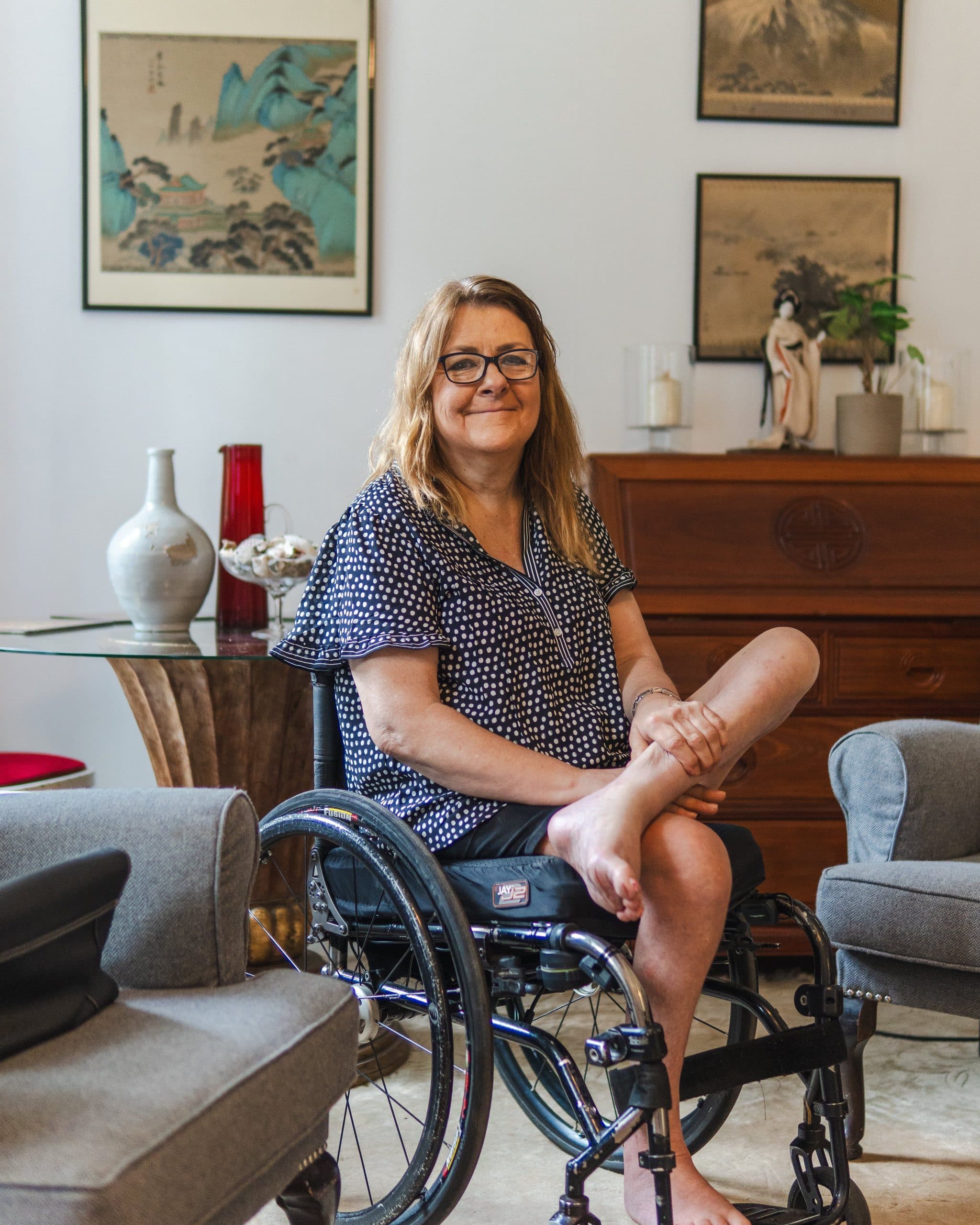
Disability describes real experiences and real barriers. Difability changes the emphasis by also asking: what ability exists here, and what needs to change for that ability to become opportunity?
It is built around dignity and opportunity for people with disabilities or long-term health conditions, veterans and carers, with routes into employment, self-employment and enterprise.
The recognition, inclusion and trust framework.
Not to deny disability, but to make sure disability never becomes the whole definition of a person.
Recognition follows practice
Difability is the recognition approach of IT’S POSSIBLE NOW. An organisation is recognised for changes it has made, tested and kept in use, so recognition always follows the practice.
The evidence comes from SHAPE: people with lived experience find the barriers, test the changes, and record what worked.
Six levels of recognition
Difability offers recognition at six levels. Level 1, Member, is a free public commitment, not an assessment. Levels 2 to 6 are assessed against the Difability Standard.
- Level 1Member Free membership
- Level 2Recognised
- Level 3Certified
- Level 4Accredited
- Level 5Leader
- Level 6Global Champion
On difability.uk: Join as a free member, read the Standard and the six recognition levels, or check an organisation’s record.
The Difability community is for adults aged 18 and over. Young people aged 16 and 17 can take part through Youth Voice. Visit Youth Voice
How it fits with IT’S POSSIBLE NOW
IT’S POSSIBLE NOW creates and tests routes to opportunity.
SHAPE helps find barriers and test the changes that remove them.
- turns what has been tested into recognised practice.
One connected ecosystem
IT’S POSSIBLE NOW, Difability and POSSIQUE work as one connected ecosystem under IT’S POSSIBLE NOW COMMUNITY INTEREST COMPANY.
IT’S POSSIBLE NOW
Brings the platforms together into routes to employment, self-employment and enterprise.
Difability
The recognition, inclusion and trust framework.
POSSIQUE
The enterprise pathway and practical opportunities to earn.
Start with SHAPE
Organisations that want to find and fix barriers in their workplace, services or spaces can commission SHAPE, or take part in it.
Questions people ask
SHAPE pays people with lived experience to test and improve the places, services and systems everyone uses. An assignment follows four steps: barrier identified, change tested, evidence recorded, change adopted where it works. It is paid expertise, and co-designers are paid for skilled work.
Organisations can commission or take part in SHAPE.
Difability recognises different abilities and helps turn them into real opportunities in work, enterprise and everyday life. Its site, difability.uk, offers free membership for organisations, a published Standard, recognition at six levels and a public record check. Individuals can get in touch for free without sharing a diagnosis.
Read the Difability page or visit difability.uk.
There are six, according to difability.uk: Member, Recognised, Certified, Accredited, Leader and Global Champion. Level 1, Member, is free and is a public commitment, not an assessment. Levels 2 to 6 are assessed against the Difability Standard. Anyone can check an organisation’s level, and whether it is current, by entering its record number on difability.uk.
The article What Difability recognition means explains each level.
No. Difability is an initiative of IT’S POSSIBLE NOW COMMUNITY INTEREST COMPANY, with its own Standard and its own levels, awarded by Difability. difability.uk states that its Standard does not replace the Equality Act, Disability Confident, accessibility standards or other legal or regulatory requirements. Recognition follows practice: an organisation is recognised for changes it has made, tested and kept in use.
Use the Get started page on difability.uk and tell it what you would like to do: find paid work, work for yourself, start a business or something else. It is free, it does not ask for your diagnosis, and you can choose to be contacted by email or phone. You can also email ashraf@ipncic.com or call +44 7955 356126.
See the Difability page.
Membership of Difability is free for organisations of any size. On difability.uk you create an account, confirm your email address, show that you act for the organisation, sign the Difability Commitment and receive your member number. Membership is a public commitment, not an assessment, and the higher levels are assessed against the Standard. Anyone can also nominate an organisation, without an account, as a recommendation only.