
How it works
From first conversation to real work
We begin with you, not with a placement decided in advance. We listen, remove practical barriers and connect you to a real route: an enterprise of your own, a paid job or paid co-design work. Then we check whether it led somewhere.
Registering for someone else? Register on their behalf
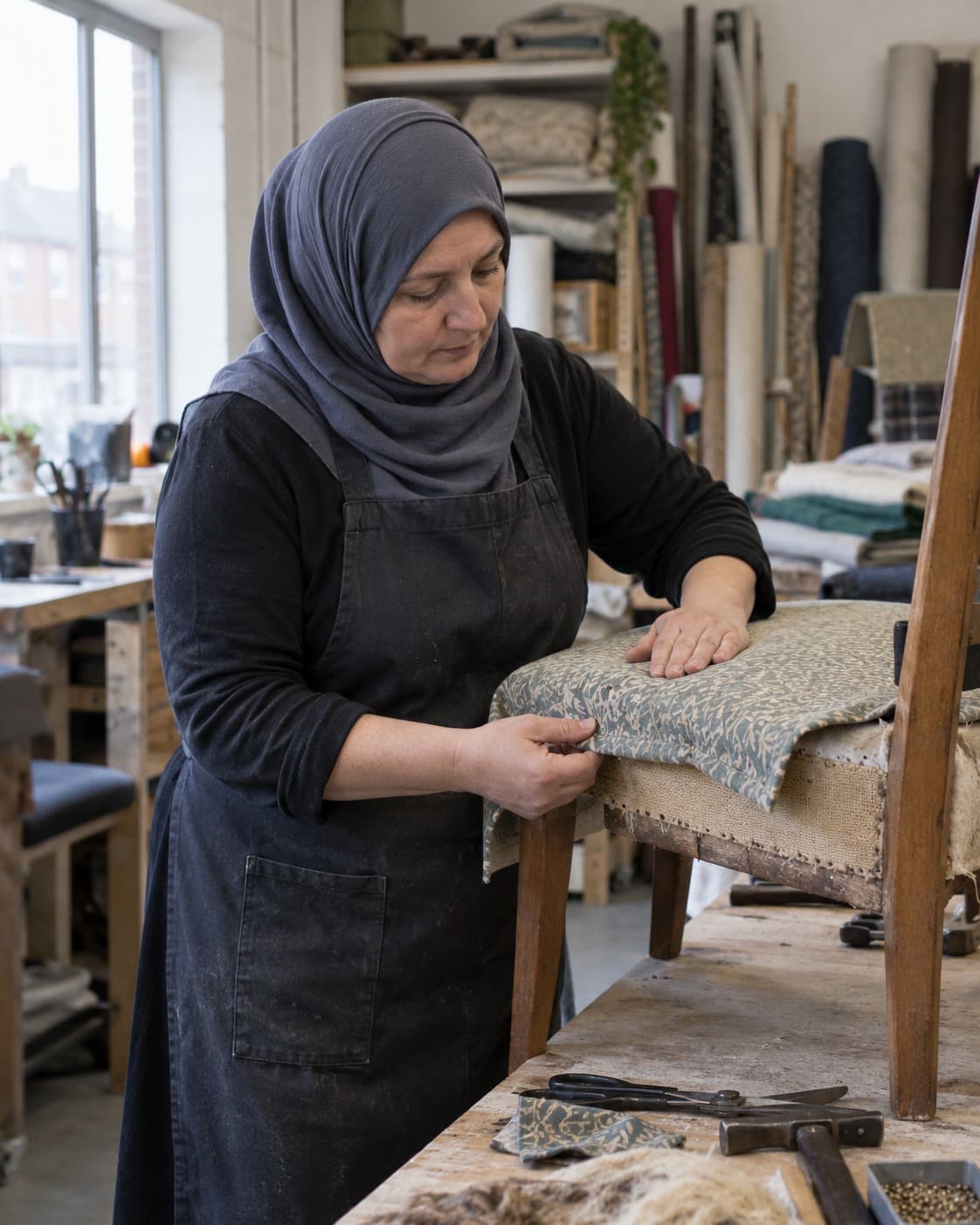
The five steps
Each step starts from what you can do. The route comes after we have listened, never before.
Listen and assess
We begin with you: your strengths, your experience, what you want to do, how you prefer to work, and what is getting in the way. We do not start with a placement decided in advance.
Remove practical barriers
We work out the practical changes and support that would make the difference, such as access, equipment, transport, communication or adjustments at work. Where a disability or health condition creates an extra cost, government support may already exist.
Access to Work is a government programme that can help eligible people pay for practical support in a job or in self-employment. Check Access to Work on GOV.UK.
Match a real route
We connect you to the genuine route that suits you best: an enterprise of your own, a paid job, or paid co-design work. It can be in one of the settings we work with, with an external employer, or in a business you run yourself.
Sustain and progress
We keep checking whether the arrangement is working for you, change it when it is not, and look for the next step: more hours, more customers or more responsibility.
Evidence what works
We record what happened, what it cost and what changed. Every result we publish comes with the method behind it and the limits of what it shows.
We measure what happens next
We do not measure success by participation. We measure it by what becomes possible afterwards.
That means more than attendance or finishing a course. For each route, and for every adjustment we make, we record what changed.
WORK
- Paid starts
- Hours
- Earnings
- Retention
- Progression
BUILD
- Customers
- Transactions
- Turnover
- Earned income
- How long trading lasts
SHAPE
- Paid assignments
- Barriers identified
- Changes tested
- Changes adopted
Accessibility
- Barrier identified
- Adjustment tested
- Cost
- Whether it worked
- Whether it is still in use, where that applies
Every result we publish comes with the method behind it and the limits of what it shows.
People work together
Difference is recognised without becoming a dividing line.
IT’S POSSIBLE NOW does not split people into separate groups by disability, age, health, ethnicity, culture, faith or background. People work together, learn together, share skills, build enterprises, serve customers and contribute together.
Community cohesion is more than bringing different groups into one room. It comes from real relationships, built through shared work, shared responsibility and things achieved together.
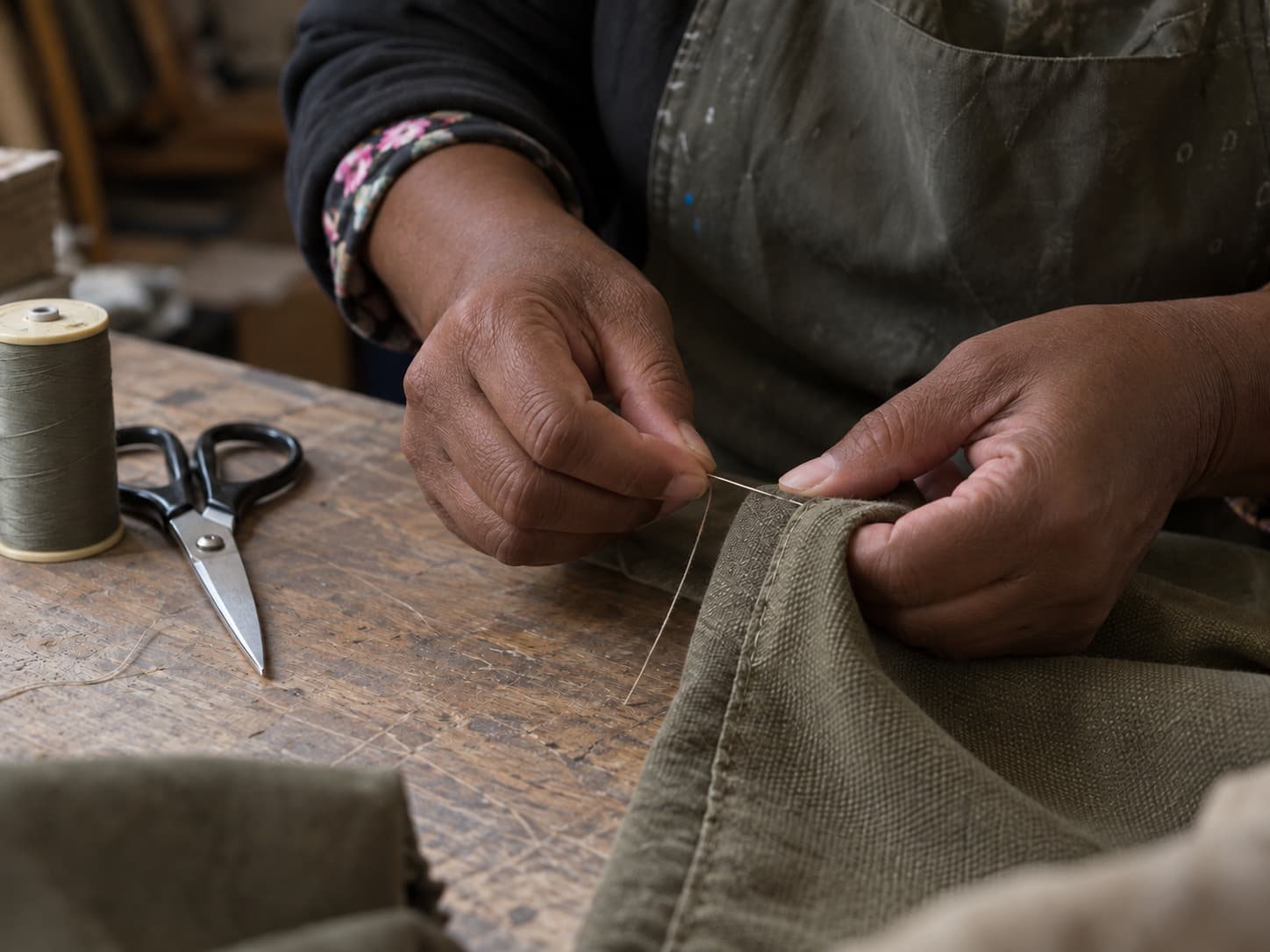
Skills that pass between generations
Older people take part as contributors of knowledge and experience, not only as people receiving a service. Younger people bring skills of their own. Each learns from the other.
What experience often brings
- Sewing
- Alterations
- Garment knowledge
- Quality checking
- Customer service
- Bookkeeping
- Business experience
- Trades
- Mentoring
What younger people often bring
- Digital
- Technology
- Media
- New kinds of enterprise
Taking part
What registering does
It tells us who you are, which route interests you, and how you would like us to contact you. Registering is free, takes a few minutes and commits you to nothing.
What happens next
- Your details go straight to the IT’S POSSIBLE NOW team.
- We reply using the contact method you chose, with any adjustment you asked for.
- We talk through the routes that interest you and what would suit you.
- We agree the next step together.
Registration is open
Registering is the first step on every route. Each opportunity depends on fit and on the partners and funding in place, and we will always be clear with you about what is available.
Communication that suits you
Tell us how you would rather be contacted and what would make it easier: a different format, more time, someone else in the conversation, a specific method.
- The format you want: large print, plain text, or easy read.
- The method that works: email, phone call or text message.
- More time to reply, or a set time when it suits you to talk.
- Someone else in the conversation with you.
You never need to share a diagnosis.
If you are supporting someone
You can register on someone’s behalf with their agreement, or ask us about referring them. Tell us how they prefer to be contacted.
Register for yourself or for someone else
Both use the same short form. Tell us how you would like to be contacted and we will use that.